
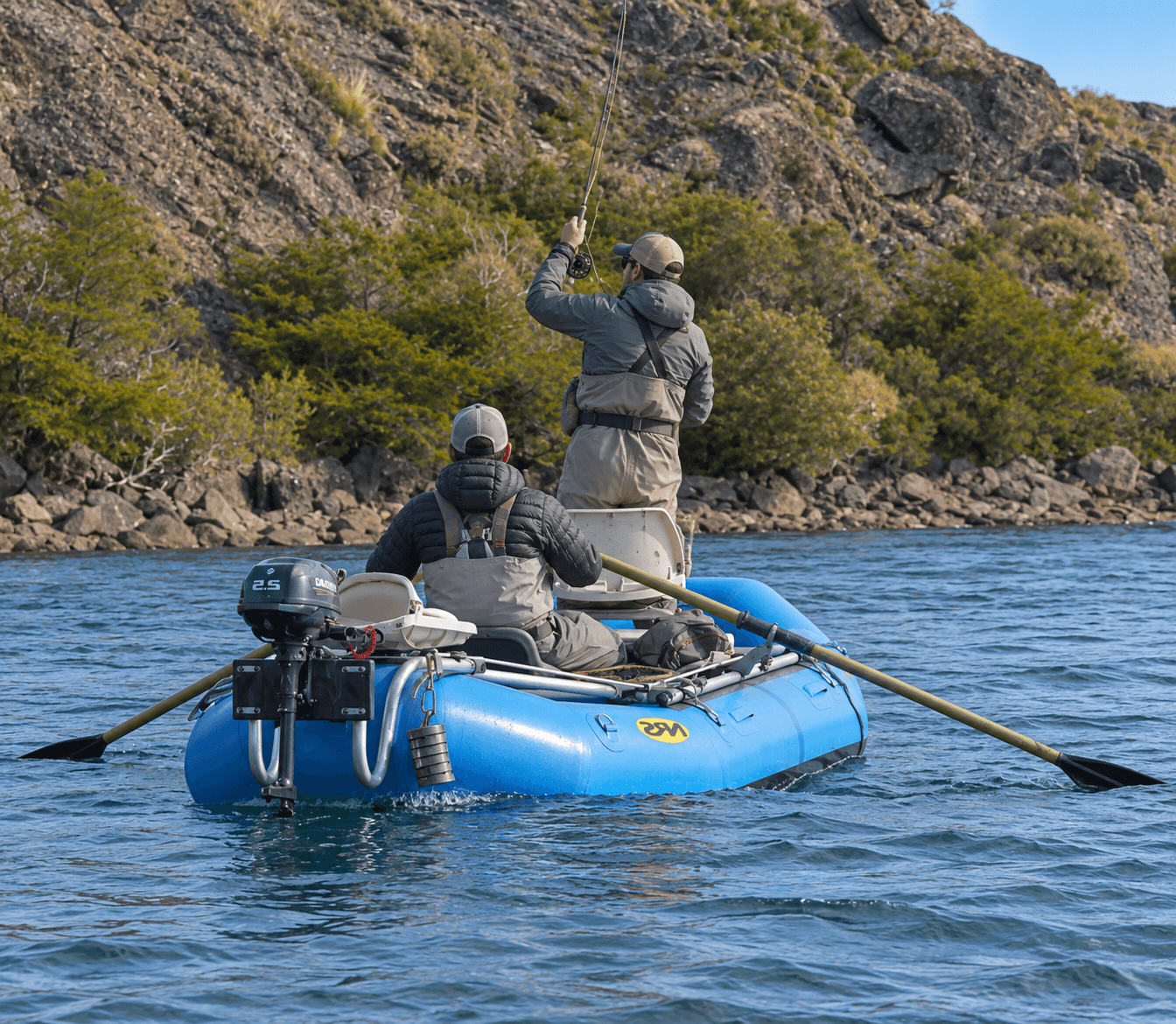
Fly fishing in Patagonia
Low-traffic rivers and lakes, with private guides who know every stretch.
Field notes
A day shaped by the river
Duration
Full day
Level
All levels
Included
Lunch by the river or on the lake.
The experience
A glimpse of the river
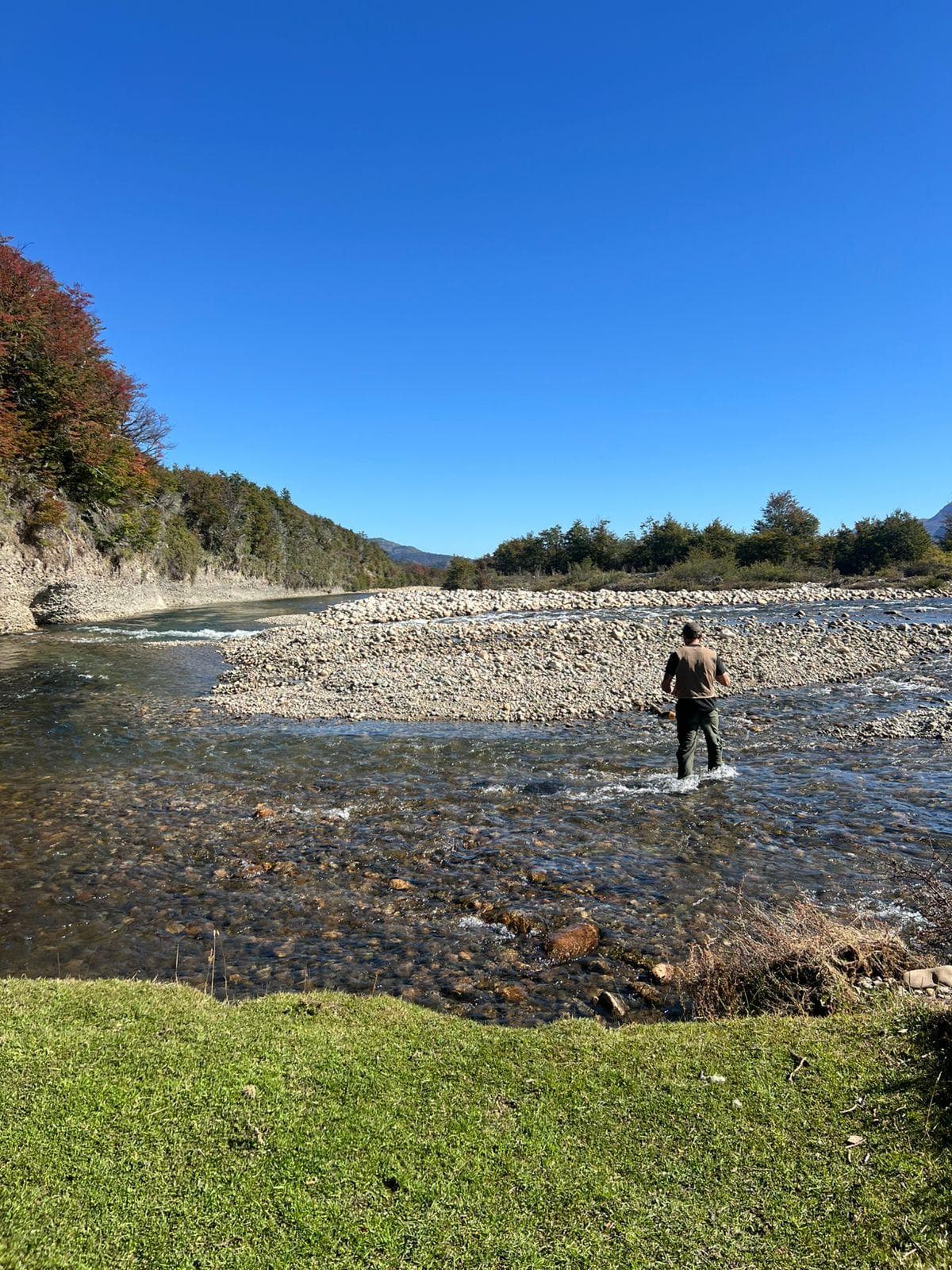
Feel the crystal-clear current under your feet and discover the magic of technical wading in an environment where time seems to stand still.
The Art of Reading the Water
The river never says the same thing twice. Reading its currents is the most rewarding skill to learn.
Respect for the Origin
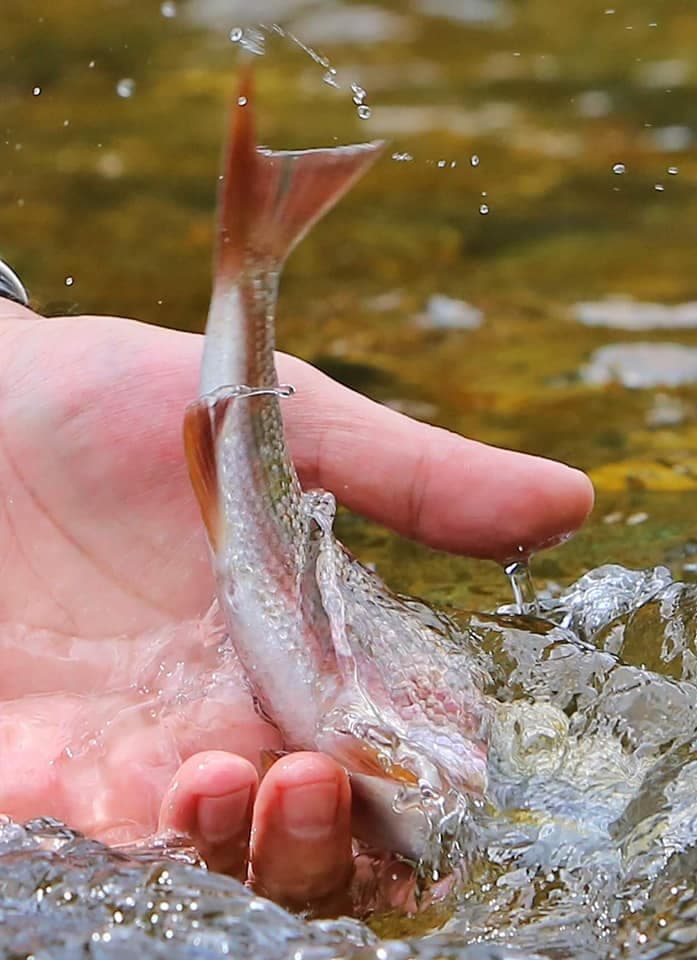
Wet hands, a brief moment out of the water, and the fish returns home. That's how we keep this river alive.
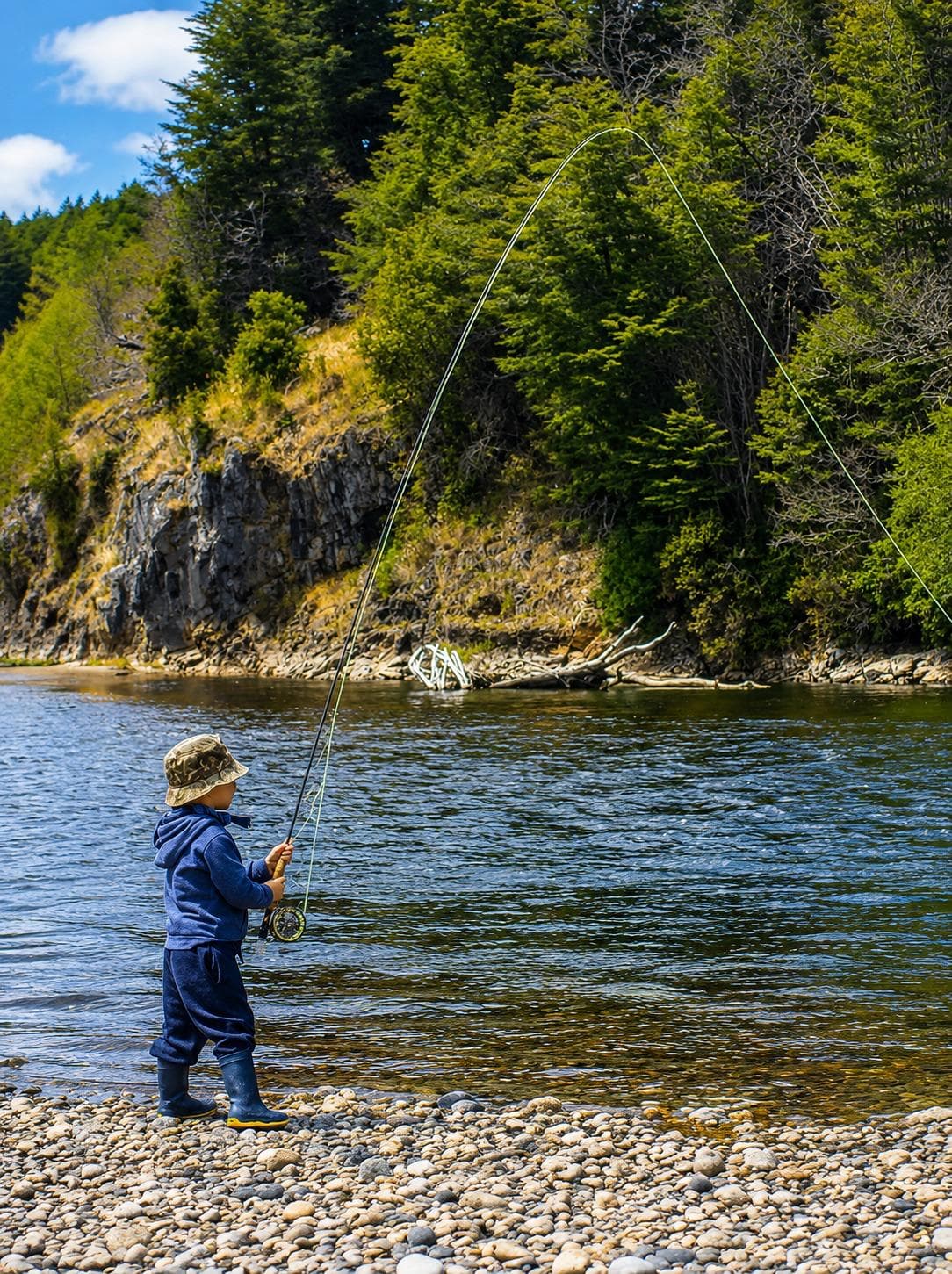
Legacy in the Current
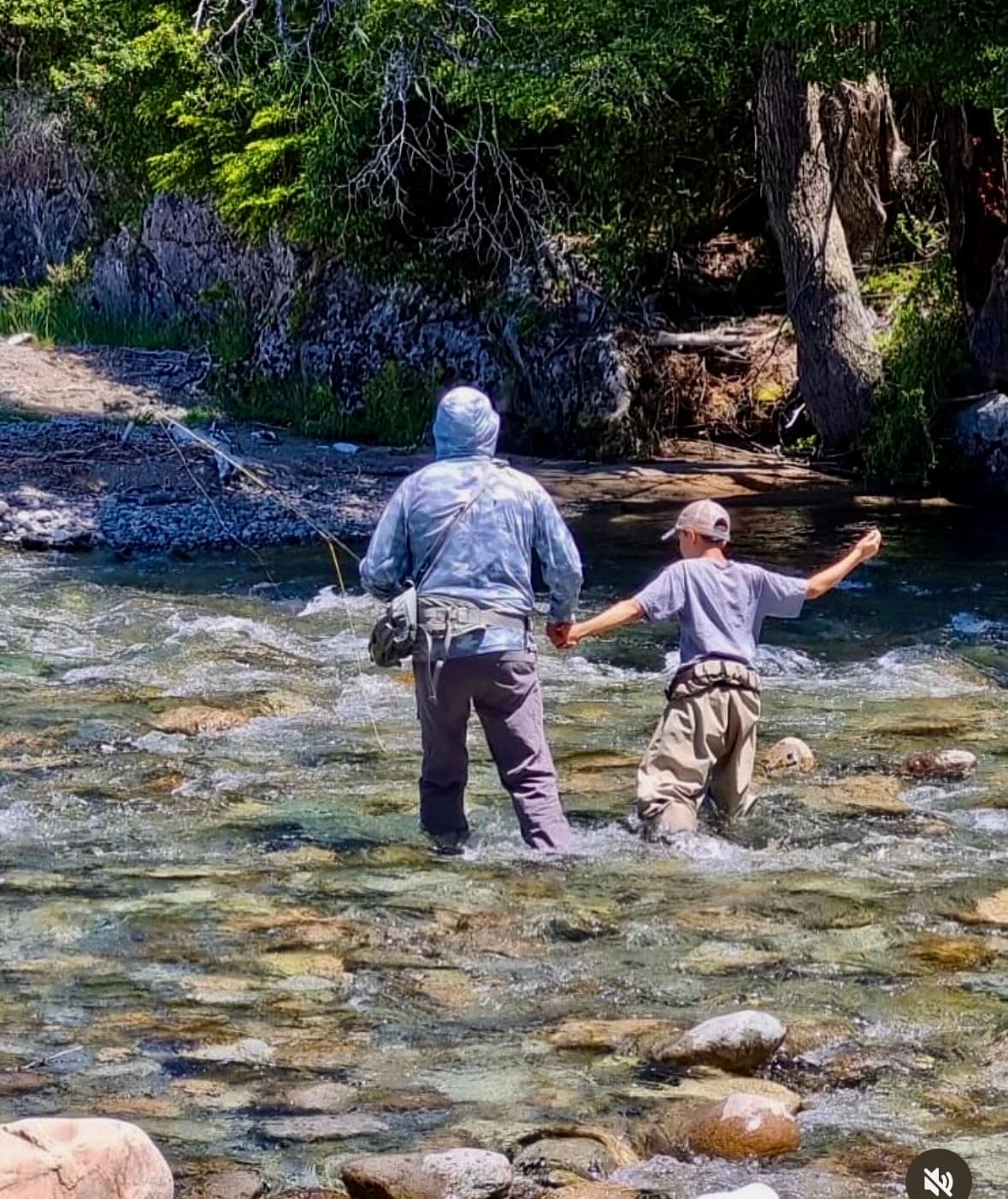
One fishing seriously, the other just casting their first line. The river has room for both.
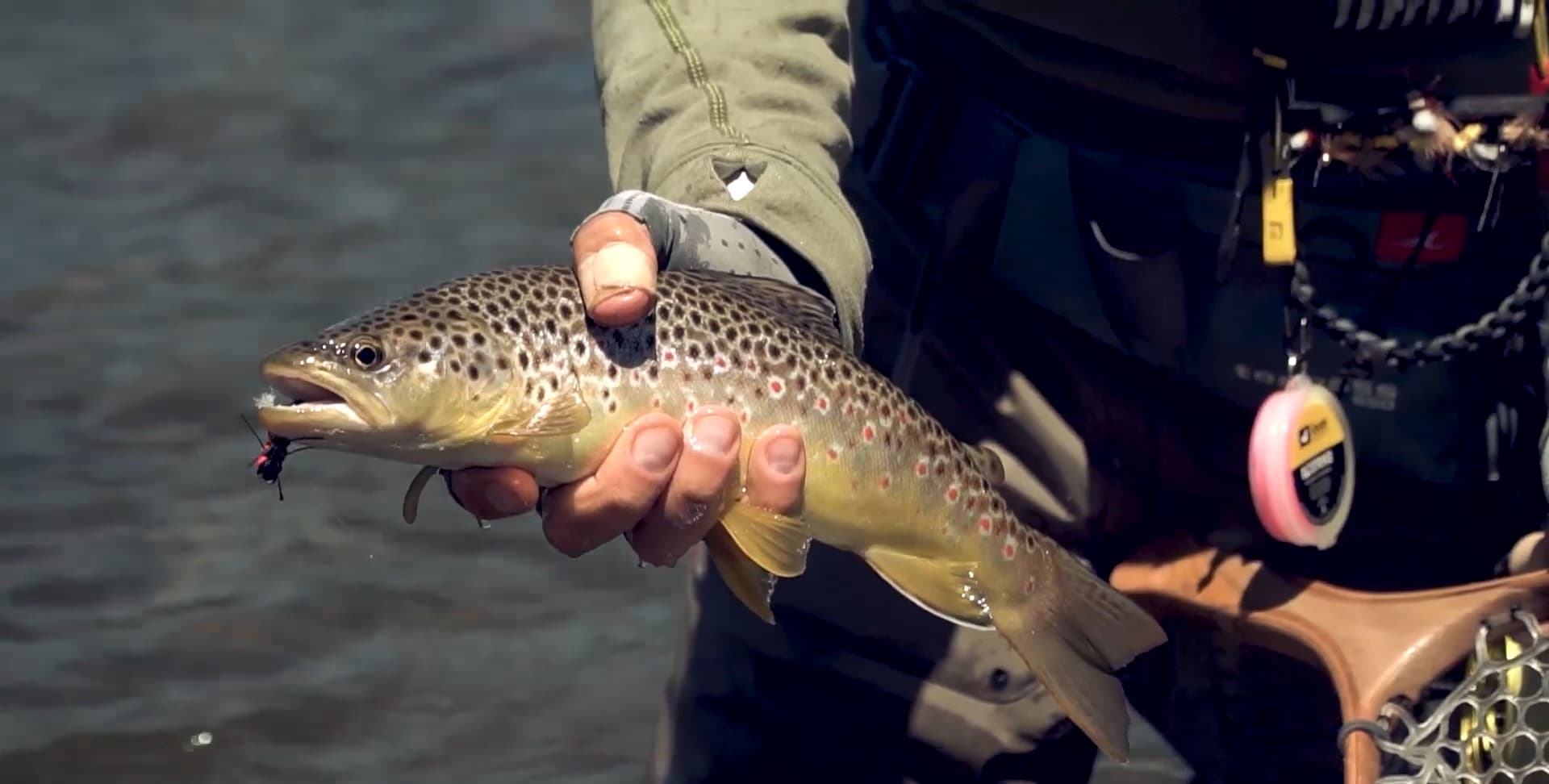
The Moment of Victory
After the wait and the precise cast, this is what's left: the fish in hand, a moment before letting go.
Sowing the Passion
A kid learning to fish here takes home the habit of waiting and watching quietly.
The Art of Reading the Water
The river never says the same thing twice. Reading its currents is the most rewarding skill to learn.
Respect for the Origin
Wet hands, a brief moment out of the water, and the fish returns home. That's how we keep this river alive.
Legacy in the Current
One fishing seriously, the other just casting their first line. The river has room for both.
The Moment of Victory
After the wait and the precise cast, this is what's left: the fish in hand, a moment before letting go.
Sowing the Passion
A kid learning to fish here takes home the habit of waiting and watching quietly.
Rivers and species
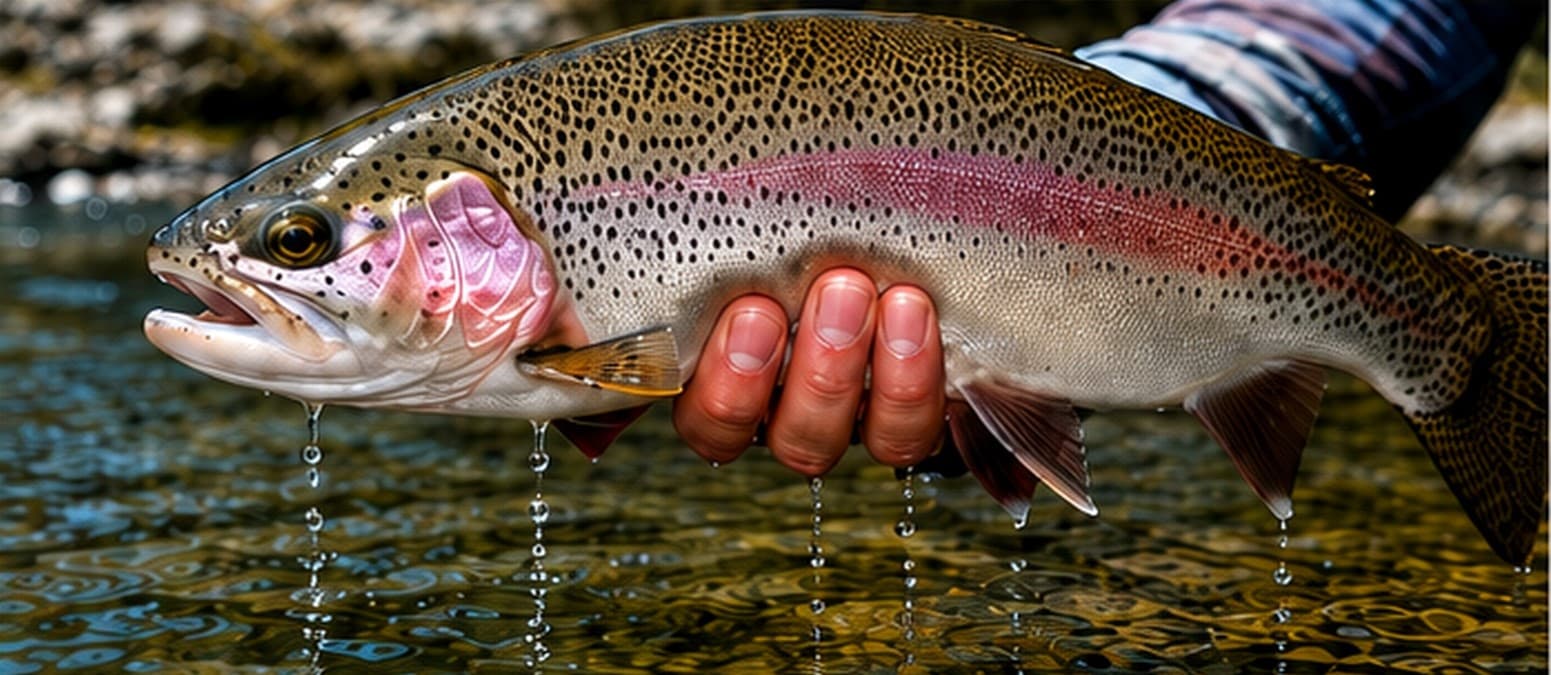
It is a highly coveted freshwater fish in sport fishing due to its fighting spirit and acrobatic leaps. It is easily recognized by the distinctive pink lateral stripe running along its silvery body with black spots. It adapts very well to both the fast rivers and deep lakes of the Patagonian region.
See who offers this experienceIt stands out for its extraordinary beauty, characterized by vivid colors with red spots surrounded by blue halos and white-edged fins. It prefers the coldest, purest, and most oxygenated waters of mountain streams and high lagoons. It is a highly valued species for its great voracity and the subtlety required to catch it.
It is the most elusive and cunning species in Patagonia, famous for its wariness and for reaching giant sizes in large lakes. Its body displays golden and brown tones with very distinct red and black spots. It has strongly predatory habits, hunting large prey in the shadows of deep pools at dawn and dusk.
It is the main watercourse in the region, characterized by its high volume, sharp bends, and deep pools. It is famous for the quality of its brown and rainbow trout, offering excellent fishing both from drift boats and by wading.
It is a crystal-clear, shallow watercourse ideal for technical wading. It stands out for its abundant population of medium-sized brook and rainbow trout in a steppe environment. It offers entertaining dry fly fishing in its distinct riffles.
Gigantic and breathtaking body of water, surrounded by dense Andean forests and towering mountain ranges. It is internationally recognized for its strong winds and for hosting hard-fighting brown and rainbow trout of extraordinary sizes, ideal for boat or shoreline fishing.
It is a small, dynamic mountain river characterized by its incredibly crystal-clear waters, cobblestone bottom, and low Andean forest surroundings. It is a perfect environment for walk-and-wade fishing, offering highly entertaining technical angling as you target brook and rainbow trout with dry flies in its fast riffles and shaded pools.
It is a narrow, wild stream that carves its way through the stone canyons of Cajón Grande. Its structure alternates fast gravel riffles with small pools hidden by dense streamside vegetation. Fishing here is a pure walk-and-wade experience, requiring very short, accurate casts with light gear to target rainbow and brook trout sheltering under the shadows of the rocks.
It is an open body of water surrounded by low rolling hills and steppe vegetation. It is ideal for shore wading or using motorized boats, targeting medium-sized rainbow trout along its loose-gravel beaches.
It is an untamed environment surrounded by pristine nature, featuring high reed-lined shores and extremely crystal-clear waters. It is fished primarily from boats or float tubes, allowing for thrilling sight-fishing for large rainbow trout.
It is a majestic lake surrounded by towering mountains and dense walls of reeds protecting its bays. It is fished exclusively from boats (drift boats or rafts), casting flies toward the vegetation edges where trophy-sized rainbow trout lurk.
A small, peaceful, and intimate corner, sheltered from the wind and surrounded by a serene landscape. It is perfect for float fishing from non-motorized rafts or anchored crafts, targeting rainbow and brook trout feeding near the surface.
It is a glacial lake framed by the edge of the Andean forest and mountain ranges. Its calm, deep waters are ideal for exploring from a boat, looking for excellent-sized rainbow and brown trout patrolling submerged logs.
The base camp
The lodge that offers this experience
La Loma Lodge
Between the forest and the mountains, La Loma Lodge brings together timber construction and careful design, built for up to 8 guests and 2 guides. A space made to support the experience in the field, not compete with it.
Rainbow Trout
La Loma Lodge: Between the forest and the mountains, La Loma Lodge brings together timber construction and careful design, built for up to 8 guests and 2 guides. A space made to support the experience in the field, not compete with it.
Brook Trout
La Loma Lodge: Between the forest and the mountains, La Loma Lodge brings together timber construction and careful design, built for up to 8 guests and 2 guides. A space made to support the experience in the field, not compete with it.
Brown Trout
La Loma Lodge: Between the forest and the mountains, La Loma Lodge brings together timber construction and careful design, built for up to 8 guests and 2 guides. A space made to support the experience in the field, not compete with it.
Pico River
La Loma Lodge: Between the forest and the mountains, La Loma Lodge brings together timber construction and careful design, built for up to 8 guests and 2 guides. A space made to support the experience in the field, not compete with it.
Pampa River
La Loma Lodge: Between the forest and the mountains, La Loma Lodge brings together timber construction and careful design, built for up to 8 guests and 2 guides. A space made to support the experience in the field, not compete with it.
Lake Vintter
La Loma Lodge: Between the forest and the mountains, La Loma Lodge brings together timber construction and careful design, built for up to 8 guests and 2 guides. A space made to support the experience in the field, not compete with it.
Nilson River
La Loma Lodge: Between the forest and the mountains, La Loma Lodge brings together timber construction and careful design, built for up to 8 guests and 2 guides. A space made to support the experience in the field, not compete with it.
Píldoras Creek
La Loma Lodge: Between the forest and the mountains, La Loma Lodge brings together timber construction and careful design, built for up to 8 guests and 2 guides. A space made to support the experience in the field, not compete with it.
Lake 1
La Loma Lodge: Between the forest and the mountains, La Loma Lodge brings together timber construction and careful design, built for up to 8 guests and 2 guides. A space made to support the experience in the field, not compete with it.
Lake 2
La Loma Lodge: Between the forest and the mountains, La Loma Lodge brings together timber construction and careful design, built for up to 8 guests and 2 guides. A space made to support the experience in the field, not compete with it.
Lake 3
La Loma Lodge: Between the forest and the mountains, La Loma Lodge brings together timber construction and careful design, built for up to 8 guests and 2 guides. A space made to support the experience in the field, not compete with it.
Lake 4
La Loma Lodge: Between the forest and the mountains, La Loma Lodge brings together timber construction and careful design, built for up to 8 guests and 2 guides. A space made to support the experience in the field, not compete with it.
Lake 5
La Loma Lodge: Between the forest and the mountains, La Loma Lodge brings together timber construction and careful design, built for up to 8 guests and 2 guides. A space made to support the experience in the field, not compete with it.
Questions
Frequently asked questions
There's no single "best" spot — Patagonia's fly fishing is spread across dozens of rivers and lakes on both the Argentine and Chilean sides, each with its own character. In Chubut province, rivers near Río Pico offer classic wading and float fishing for wild trout, with both public and private-access water depending on the location.
Argentine Patagonia (Chubut, Neuquén, Tierra del Fuego) and Chilean Patagonia (Aysén, Coyhaique) both offer world-class trout fishing. The choice usually comes down to which river systems and lodge experience fit your trip — guided access to private water is one of the main things a lodge adds versus fishing on your own.
Patagonia is best known for wild brown and rainbow trout, with sea-run browns reaching trophy sizes in the far south (Tierra del Fuego). In Chubut's rivers and lakes near Río Pico, wading and float trips target brown and rainbow trout in clear, lightly-pressured water.
Wind-resistant rods like Scott or Sage (often 6-7 weight for trout), RIO floating and sink-tip lines, and breathable waders from brands like Simms, among others, make up the core setup most anglers bring — Patagonia's open landscapes mean wind performance matters more than any specific brand.
A 6-weight rod is the most common all-around choice for Patagonian trout, with some anglers stepping up to a 7-weight for windy days or larger streamer fishing.
Patagonian weather shifts fast — layering is key: a moisture-wicking base layer, an insulating mid-layer (fleece or wool), and a windproof/waterproof outer shell, even in summer. Wind is usually a bigger factor than cold.
Bright or high-contrast colors (white, bright blue, fluorescent tones) can spook fish in clear water — muted earth tones (olive, tan, gray) blend in better against the riverbank.
Most guided lodges offer rod and gear rental as part of the program, which is usually simpler than sourcing rentals independently in remote areas — worth confirming directly with the lodge before your trip.
Yes, unguided ("independent") fishing days are possible on certain rivers and lakes, chosen together with the lodge based on access and preference. Some water is privately managed, so access fees and coordination still apply even without a guide present.
Look for guides attached to an established lodge with a track record on specific rivers, rather than booking independently sight unseen — local knowledge of water conditions and private access changes season to season.
No — fishing in the region is strictly catch and release, with fines for keeping fish, especially larger ones. It's a key conservation practice that keeps the fishing quality high over the long run, not an arbitrary restriction.
Fishing licenses in Argentine Patagonia are typically arranged locally, and requirements vary by province and by whether the water is public or privately managed. A lodge normally handles this coordination as part of the program, along with any additional access permits.
Patagonia is trout country above all — mainly rainbow trout and brown trout, both introduced in the early 1900s and now fully wild. The far south also holds sea-run brown trout (which migrate to the ocean) and some salmon populations, but rainbow and brown trout are what you'll find across most rivers and lakes in Chubut.
Rainbow trout are more abundant and known for fast fights with acrobatic jumps once hooked — great for active fishing. Brown trout are more selective and elusive, considered a bigger challenge even for experienced anglers, and tend to reach larger sizes in well-preserved water.
Size varies a lot by river or lake — well-managed waters commonly hold trout that are large by global trout-fishing standards, though the exact size depends on the specific body of water and the season. We coordinate with each destination on what to expect at a given time of year.
Yes, fly selection shifts with the species and the day's conditions — rainbow trout often respond well to large dry flies and streamers, while the more selective brown trout sometimes calls for more precise patterns matching the specific insect hatch. Your guide adjusts fly selection on the river based on what the fish are feeding on that day.
Cost varies widely based on trip length, group size, and whether you're staying at a guided lodge or fishing independently. The clearest way to get an accurate figure for your specific trip is to talk through dates, group size, and preferred rivers directly with the lodge.
Getting started with basic gear is accessible, but a guided international trip like a Patagonia lodge stay is a more significant investment — largely because of remote access, private water permits, and full-service guiding, not the sport itself.
The right lodge depends on which river systems you want access to, group size, and how remote you're willing to go — smaller, more remote lodges often mean less fishing pressure and more private-water access.
For travelers coming from the US, look for lodges with English-speaking guides, straightforward airport logistics, and a program that's built around your available dates rather than a fixed group tour.
Booking usually starts with sharing your approximate travel dates and group size directly with the lodge, so they can confirm availability and put together a program before finalizing the reservation.